Epiretinal Membrane Q & A
An epiretinal membrane, or macular pucker, forms on the inner surface of your retina. When you have an epiretinal membrane, it affects your ability to see fine detail. If you’ve been diagnosed with an epiretinal membrane, reach out to Advanced Retina in Greenfield, Pewaukee and Mequon, Wisconsin. Our Doctors work with patients in and around southeastern Wisconsin. They evaluate your vision and provide treatment when necessary. Call the office today or use the online form to request an appointment.
What is an epiretinal membrane?
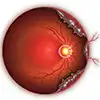
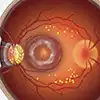
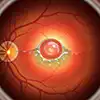
An epiretinal membrane (also known as cellophane maculopathy or macular pucker) occurs when scar tissue forms on the surface of the central retina (macula).
The macula is a primary part of your retina, the image-creating portion of your eye. The macula is responsible for seeing fine detail when reading, driving, and recognizing faces.
If you have an epiretinal membrane, you may experience blurred and distorted central vision. This condition is different from macular degeneration or a macular hole. An epiretinal membrane shares similar symptoms with these other conditions but is entirely different.
What are the symptoms of an epiretinal membrane?
Epiretinal membrane can cause your vision to become blurry or distorted. Straight lines start to look wavy, and it becomes harder to make out small print and fine details. Sometimes there will be a blind spot or a gray area in the center of your vision. An epiretinal membrane doesn’t always cause vision loss, and the condition doesn’t always progress.
What causes an epiretinal membrane?
Most epiretinal membranes develop spontaneously for no clear reason. They tend to occur in middle age or older adults after the vitreous gel has naturally pulled away from the retina due to aging. Occasionally, epiretinal membranes can occur in association with diabetic retinopathy, retinal vein occlusion, inflammation, trauma, eye surgery, and retinal tear or detachment.
How is an epiretinal membrane treated?
Most epiretinal membranes do not require treatment, so your doctor may choose to monitor it as long as it’s not seriously affecting your vision.
If you have an epiretinal membrane with especially thick and contracted scarring, it could distort the central retina and cause uncomfortable vision problems.
In these severe cases, your doctor may recommend specialized surgery with gentle dissection of the membrane to remove it and restore the normal anatomy of your eye. Some patients also benefit from eye injections that help reduce retinal swelling.
To learn more about the advanced treatments available at Advanced Retina, call the office today or use this website to reach out.