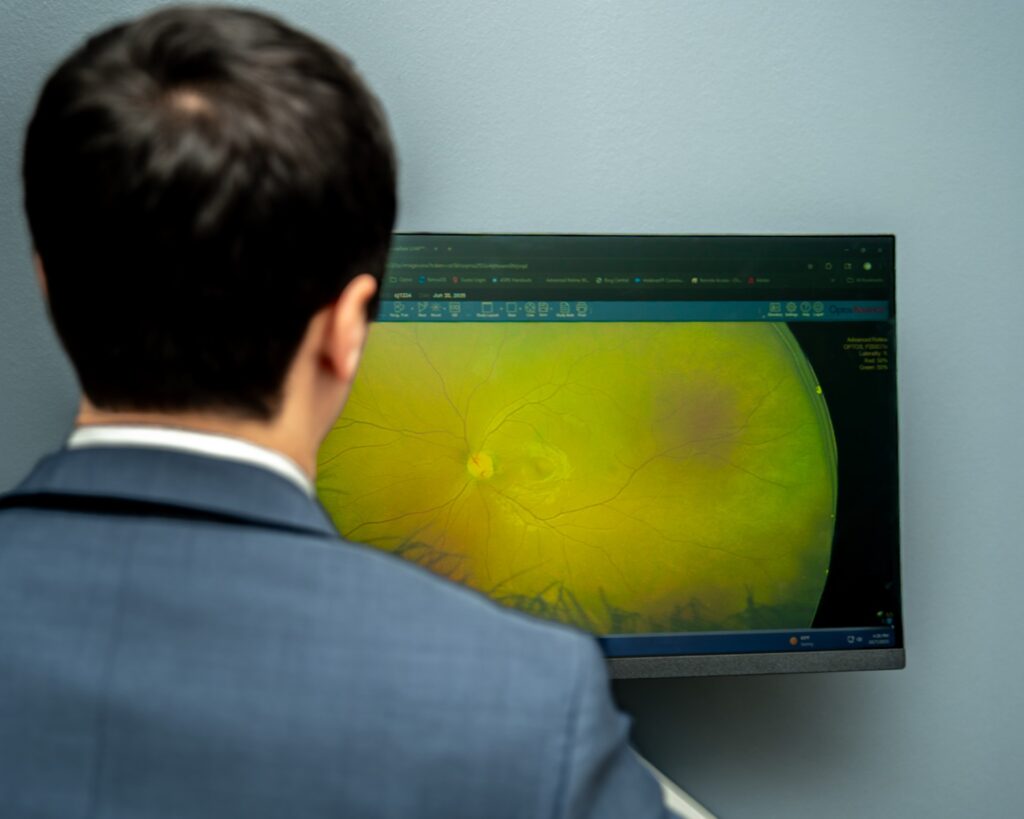
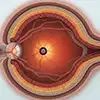
Diabetes can have negative effects on your eyes and sight, including blurry vision, cataracts, glaucoma, and retinopathy. Diabetic retinopathy means that diabetes complications have caused damage to the blood vessels of the light-sensitive tissue at the back of your eye. At Advanced Retina our doctors offer diagnosis and management of this condition to patients in and around Greenfield, Pewaukee and Mequon, Wisconsin. Our Doctors goal is to help avoid complications that include blindness. If you’ve been told you’re at risk of developing diabetic retinopathy, call the office today to schedule your appointment or request an appointment via our online form.
Diabetic Retinopathy Q & A
What is diabetic retinopathy?
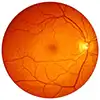
When you have high blood sugar for an extended period, damage can occur to blood vessels in many areas of your body. This includes the blood vessels at the back of your eye or retina. Your retina is the light-sensitive tissue lining at the back of your eye.
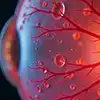
When you have diabetic retinopathy, your retinal blood vessels leak, swell, or close off. When new, abnormal blood vessels grow on the surface of your retina, you have diabetic retinopathy.
Who is at risk of diabetic retinopathy?
Anyone with diabetes is at risk of developing diabetic retinopathy. If you have poor blood sugar control, you’re at particular risk.
Early diagnosis and management of diabetic retinopathy can save your vision.
What is nonproliferative diabetic retinopathy?
The earliest stage of diabetic retinopathy is called nonproliferative diabetic retinopathy. In this stage, damaged blood vessels in your retina begin to leak small amounts of blood and fluid into your eye. Other compounds, like cholesterol deposits or fats from your blood, can also leak into your retina.
What is proliferative diabetic retinopathy?
Proliferative diabetic retinopathy is a more advanced stage of the disease. It’s diagnosed when many of the blood vessels in your retina close and your eye doesn’t get adequate blood flow.
Your retina then starts to grow new blood vessels, a process called neovascularization. Because these new blood vessels are irregular, they prevent your retina from receiving proper blood flow. Scar tissue can form alongside the new vessels and cause your retina to wrinkle or detach.
What is the treatment for diabetic retinopathy?
Managing your blood sugar levels is the best way to prevent and manage diabetic retinopathy. If you already have it, maintain strict control of your blood sugar to reduce the long-term risk of vision loss significantly.
Once you have diabetic retinopathy, it can’t be cured. But it can be managed. If diabetic retinopathy isn’t addressed, it can steadily progress to severe stages and subsequent vision loss.
If you’ve been diagnosed with diabetic retinopathy, call Advanced Retina to make an appointment today. You can also reach out to learn more about the practice using the “contact us” link on this website.